
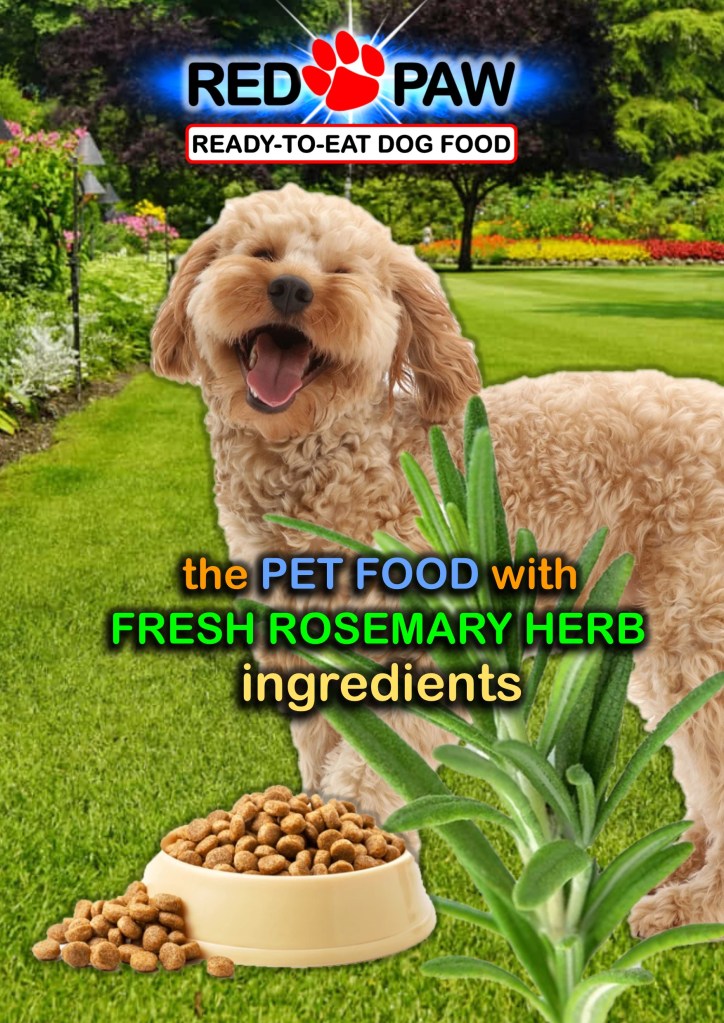
ROSEMARY is a herb that not only enhances the flavour of food, but also offers numerous potential health benefits. So, why does Red-Paw Pet Food CONTAIN this wonder herb?
ROSEMARY is the reason Red-Paw DOES NOT use any artificial preservatives.
- Supports digestion: This herb strengthens the digestive system. Its antimicrobial properties can help remedy gastrointestinal or digestive tract issues. Because of its antimicrobial properties, it is also considered to help with digestive issues in terms of fighting off harmful bacteria.
- Neutralises free radicals: Rosemary is rich in antioxidants and can neutralise cell-damaging free radicals in your dog’s body, supporting the immune system.
- Preserves food: Many dog food products feature rosemary extract. The antimicrobial properties of rosemary make it a natural preservative in foods to keep harmful bacteria away.
FURTHERMORE – Rosemary is a NATURAL FLEA REPELLENT for dogs. It also has a CALMING EFFECT on nervous and anxious dogs. It even offers CARDIOVASCULAR BENEFITS to dogs as a result of its spasm-preventing properties. And it is as a GENERAL TONIC for dogs due to its many natural antioxidants.


Common digestive problems
Dogs can suffer from a variety of digestive issues, but there are some common ones which are easily spotted and treated. Find out about the symptoms, causes, and treatments of these common problems in this article.
While dogs tend to have robust digestive systems, there are some common issues they can suffer from caused by bacteria, diet, lifestyle, and other factors. The symptoms of these issues can point to a number of potential causes, so it’s important to consult your vet for further advice and treatment.
Diarrhoea
Mild diarrhoea is very common in dogs and can be caused by mild intestinal distress caused by your dog eating a small amount of something that doesn’t agree with them, such as table scraps, or simply switching to a new brand or flavor of food.
Depending on where the problem originates, different treatments will be prescribed for your dog’s diarrhoea. This may include further removal of parasites, medicine to treat an infection, and dietary management, such as restricting your dog’s diet for at least 24 hours, then giving them a specialised diet to reduce the workload on the stomach and improve stool quality.
- Never give your dog human medications without consulting your veterinarian. Many over-the-counter medications that work well for people can be toxic to dogs, and this is not an advisable way on how to stop diarrhea in dogs.
- If your dog has had one or two runny or soft stools, you may want to give your dog some time to recover by simply fasting for 12 – 24 hours.
- A bland diet for a day or two may help your dog’s problem. Plain-cooked white rice with some boiled meat may help your dog’s stomach feel better. Once your dog has recovered, gradually reintroduce its regular food.
- Natural yogurt, probiotics, peeled boiled potatoes, cottage cheese, egg with no oil added, specially formulated dog foods, and medications prescribed by your veterinarian may also help to soothe your dog’s upset stomach
Constipation
Constipation is infrequent or difficult passage of stool and is typically a temporary condition. Many constipated dogs will experience straining or pain when attempting to defecate.
Your vet is likely to prescribe medication as immediate relief for your dog, and may also suggest gentle surgical procedures depending on the severity of the problem. Dietary changes can also help manage this condition in your dog; for example, balancing the types of fibre in your dog’s diet can help improve stool quality and the overall health of their digestive system.
Most dogs produce feces at least once a day; many of them have bowel movements that correspond to the number of daily feedings. If your dog is constipated, he or she will probably attempt to pass feces unsuccessfully several times. You may observe your dog circling excessively, scooting (dragging bottom along the ground) or squatting frequently, or even crying out in severe cases. Other clinical signs include decreased appetite, vomiting, small amounts of watery feces or feces that contains mucus (without a normal stool), and weight loss. Some constipated dogs will have a tense, painful abdomen and cry or growl if you press on their stomach or lower back.
Most cases of constipation are relatively easy to treat. The first step is to loosen or remove the impacted, hardened fecal matter. Removal may be accomplished through the use of one or a combination of therapies, including enemas, manual removal, and medications.
Most dogs will enjoy a speedy recovery after medical treatment has been completed. For dogs with more serious underlying diseases that cause constipation, the prognosis is good once the causative condition has been addressed. Most dogs can be successfully managed through a combination of medical, dietary, and surgical treatments.
 Dog Food (Kenya)